

Zemen Bank becomes first bank to use battery swapping
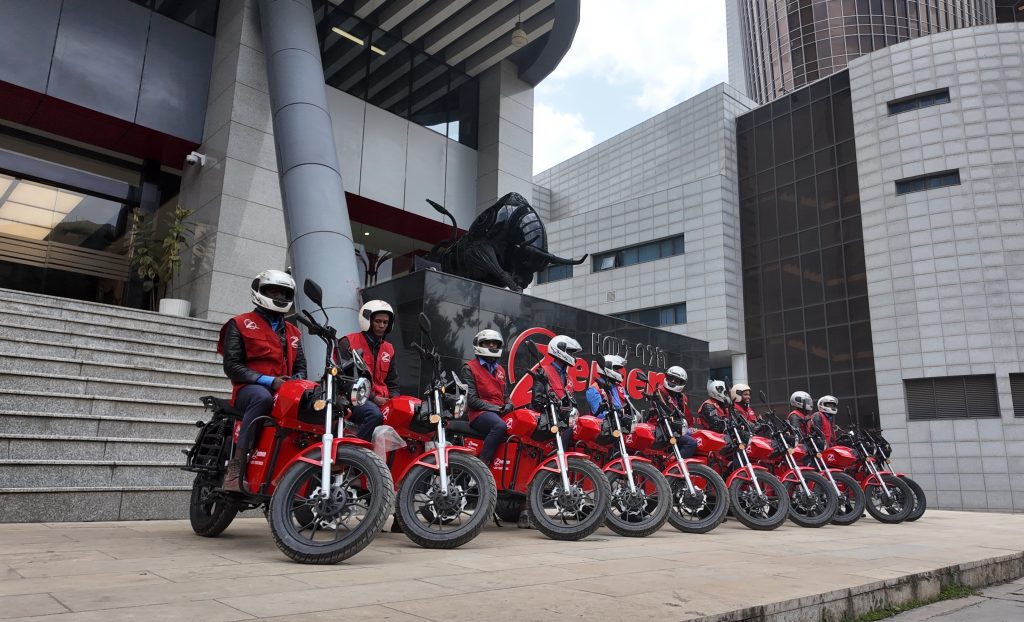
A new fleet profile is appearing on the streets of Addis Ababa. Zemen Bank S.C. has integrated Dodai electric motorbikes, customized in the bank’s signature red, into its daily operations.
This rollout marks a practical milestone: Zemen Bank is the first bank in Ethiopia to adopt battery-swapping technology for its corporate logistics.
As urban logistics demands increase, leading institutions are looking for ways to improve fleet efficiency, manage fluctuating operating costs, and eliminate downtime. The transition to electric mobility via a swapping network provides a structured solution for organizations focused on reliable daily workflows.
The Role of Fleet Logistics in Modern Businesses
While banking is increasingly digital, a significant volume of physical operations remains essential to daily business. Inter-branch document couriers, client services, and time-sensitive legal paperwork require consistent, predictable movement across Addis Ababa.
Managing these logistics with traditional petrol motorbikes presents predictable operational challenges. For commercial fleets, standard plug-in electric vehicles introduce extended downtime, as waiting several hours for a battery to recharge limits a vehicle’s utility during the workday.
Dodai’s battery-swapping system addresses this infrastructure challenge. Instead of parking a vehicle to charge, a rider visits a swapping station, removes the depleted battery, and replaces it with a fully charged one in under two minutes.
Infrastructure and Future Outlook
As Dodai expands its network of swapping stations across the capital, partnerships with established institutions like Zemen Bank S.C. demonstrate the viability of electric mobility for commercial use. When a major financial institution incorporates battery-swapping technology into its primary logistical workflows, it highlights a practical shift in how corporate fleets can be managed more efficiently.
Dodai is pleased to support Zemen Bank’s corporate operations as they implement this transition to sustainable, high-uptime urban transit.