

Zemen Bank Partners with Dodai to Integrate Battery Swapping into it's Fleet Operations
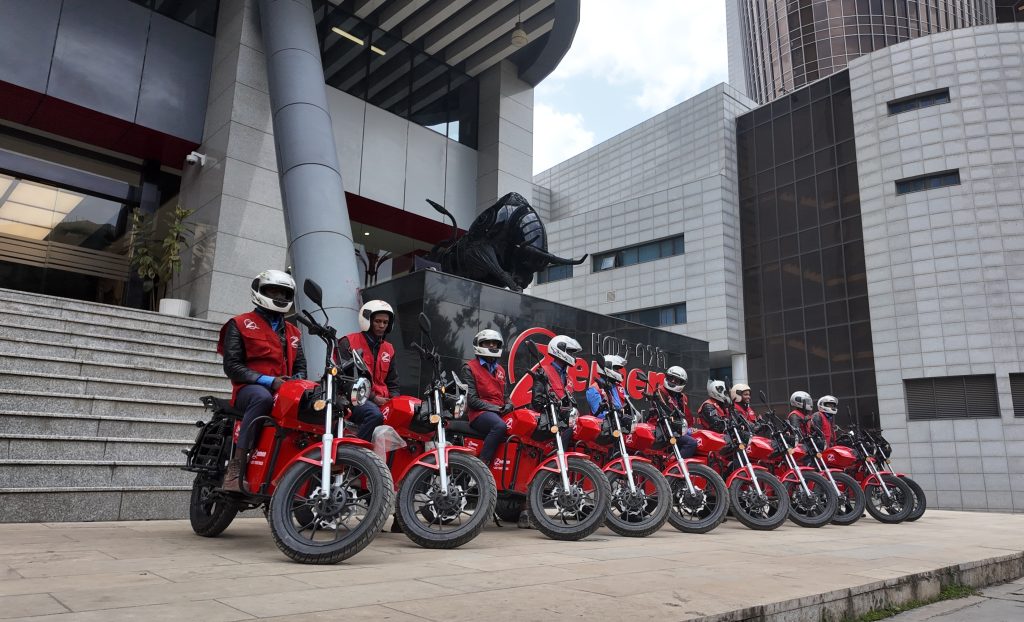
A new fleet profile is appearing on the streets of Addis Ababa. Zemen Bank S.C. has integrated Dodai electric motorbikes, customized in the bank’s signature red, into its daily operations.
This rollout marks a practical milestone: Zemen Bank is the first commercial bank in Ethiopia to adopt battery-swapping technology for its corporate logistics.
As urban logistics demands increase, leading institutions are looking for ways to improve fleet efficiency, manage fluctuating operating costs, and eliminate downtime. The transition to electric mobility via a swapping network provides a structured solution for organizations focused on reliable daily workflows.
The Role of Fleet Logistics in Modern Business Operations
While the modern corporate landscape relies heavily on digital workflows, physical logistics remain a critical foundation for day-to-day enterprise operations. Across a wide range of industries—from corporate banking and legal services to FMCG distribution, medical supply logistics, and fast-growing B2B operations—the need for reliable, time-sensitive, and predictable urban transit is absolute.
Managing a corporate fleet using traditional petrol motorbikes, however, introduces systemic inefficiencies that directly hit a company’s bottom line:
Fuel Availability & Lost Productivity: Significant working hours are lost when field agents and courier staff are forced to wait in unpredictable refueling queues, causing a ripple effect of delays across client-facing operations.
Operational Downtime: Regular mechanical maintenance—such as oil changes, spark plug replacements, and engine repairs—frequently removes critical vehicles from active service, forcing businesses to carry excess fleet inventory just to maintain coverage.
Unpredictable Overhead: Volatile fuel pricing and fluctuating maintenance costs make long-term budgetary forecasting complex and unstable for corporate logistics managers.
To eliminate these variables and future-proof their field operations, leading institutions like Zemen Bank are integrating the Dodai TS-1 swapper model into their corporate fleets.
Battery Swapping vs. Standard Charging
For commercial fleets, standard plug-in electric vehicles introduce extended downtime, as waiting several hours for a battery to recharge limits a vehicle’s utility during the workday.
Dodai’s battery-swapping system addresses this infrastructure challenge. Instead of parking a vehicle to charge, a rider visits a swapping station, removes the depleted battery, and replaces it with a fully charged one in under two minutes.
This approach allows logistics teams to maintain consistent operations without long intervals of vehicle inactivity or range limitations.
Operational Advantages of the Swapping Model
Adopting a battery-swapping ecosystem provides specific operational adjustments for corporate fleet management:
Shielding Against Fuel Volatility: Moving away from petroleum isolates a company’s transport budget from fuel price fluctuations and local supply constraints.
Reduced Mechanical Maintenance: Electric drivetrains have fewer moving components than internal combustion engines. Eliminating oil changes and complex transmission upkeep reduces overall maintenance costs and keeps vehicles on the road.
Predictable Day Planning: A dense matrix of swapping stations across Addis Ababa allows riders to map out their routes efficiently, ensuring tasks are completed on schedule.
Infrastructure and Future Outlook
As Dodai expands its network of swapping stations across the capital, partnerships with established institutions like Zemen Bank S.C. demonstrate the viability of electric mobility for commercial use.
When a major financial institution incorporates battery-swapping technology into its primary logistical workflows, it highlights a practical shift in how corporate fleets can be managed more efficiently.
Dodai is pleased to support Zemen Bank’s corporate operations as they implement this transition to sustainable, high-uptime urban transit.